Saloon singer, swing revolutionary, and the greatest interpreter of the American songbook. Ol’ Blue Eyes did it his way — and changed popular singing forever.
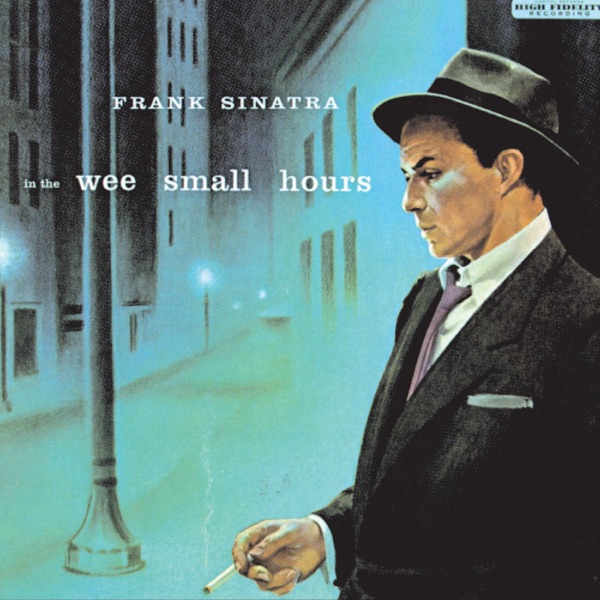
Explore the Catalogue →The first true concept album — a suite of aching torch songs that reinvented the LP as an emotional journey, not a collection of singles.
Sinatra and Nelson Riddle at their most buoyant — the blueprint for the swinging bachelor sound that defined an era.
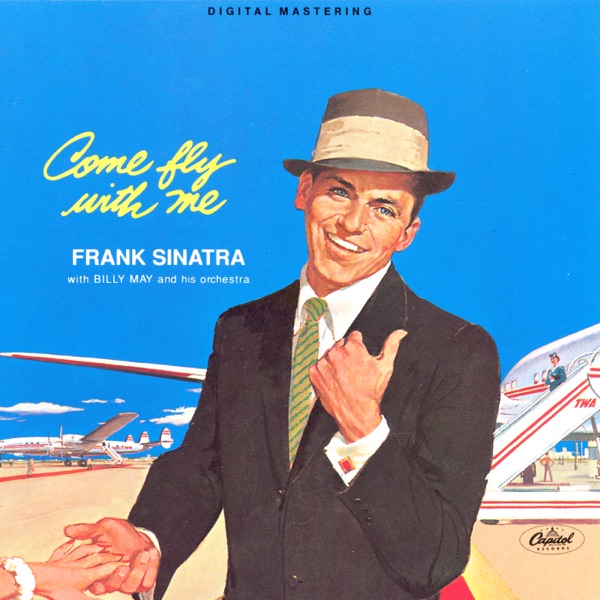
A jet-age travelogue in song, arranged by Billy May, that turned the album itself into a glamorous night out.
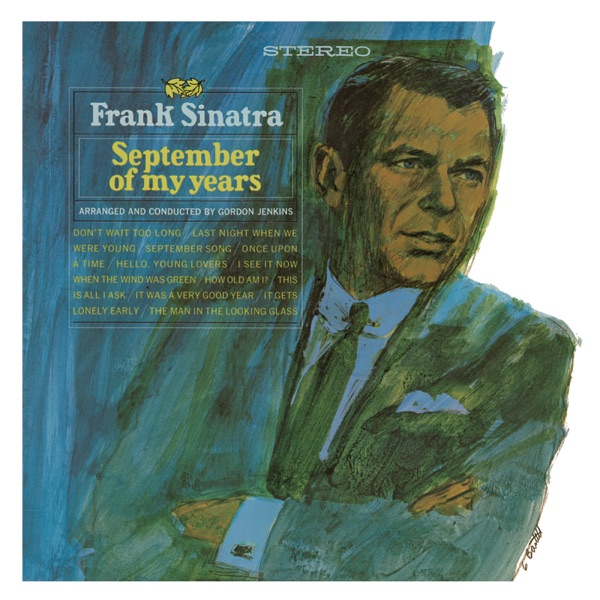
A reflective, string-laden meditation on aging that won Album of the Year — Sinatra at his most vulnerable.
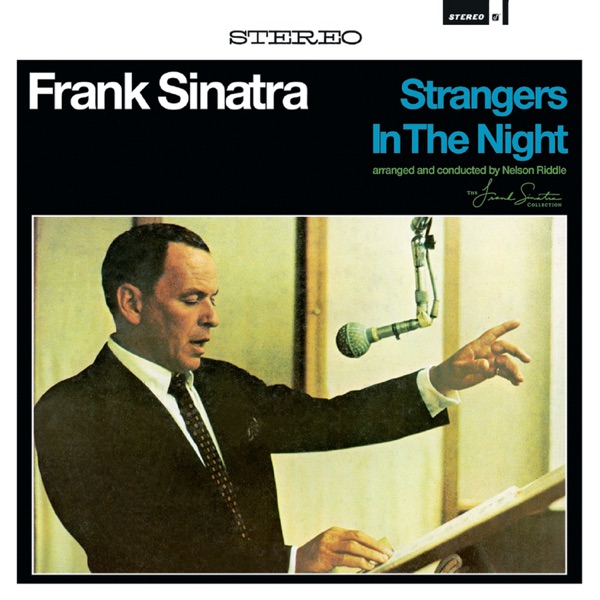
The title track became his signature crossover hit, topping the charts and cementing his pop-era resurgence.
The anthem that outlived every trend it was recorded against — still his most-covered, most-quoted song.
Born in Hoboken, New Jersey in 1915, Francis Albert Sinatra rose from big-band vocalist to the most influential popular singer of the 20th century. He didn’t just sing songs — he acted them, phrasing each lyric with a conversational intimacy that made every listener feel personally addressed.
His partnership with arranger Nelson Riddle in the 1950s produced a run of albums — In the Wee Small Hours, Songs for Swingin’ Lovers!, Only the Lonely — that are still considered the gold standard of vocal jazz-pop.
Beyond music, Sinatra was an Academy Award-winning actor, the unofficial ringleader of the Rat Pack, and a cultural force whose influence on phrasing, breath control, and sheer star presence still shapes singers today.
Basically, I’m for anything that gets you through the night — be it prayer, tranquilizers, or a bottle of Jack Daniel’s.
His conversational, behind-the-beat delivery rewrote the rules of vocal jazz and pop singing for generations of interpreters.
Sinatra treated the LP as a unified emotional statement decades before it became standard practice in popular music.
With Dean Martin and Sammy Davis Jr., he defined an era of effortless Vegas cool that still shapes pop-culture nostalgia.
Founding his own label gave him unprecedented artistic control — a model later artists would follow for decades.